
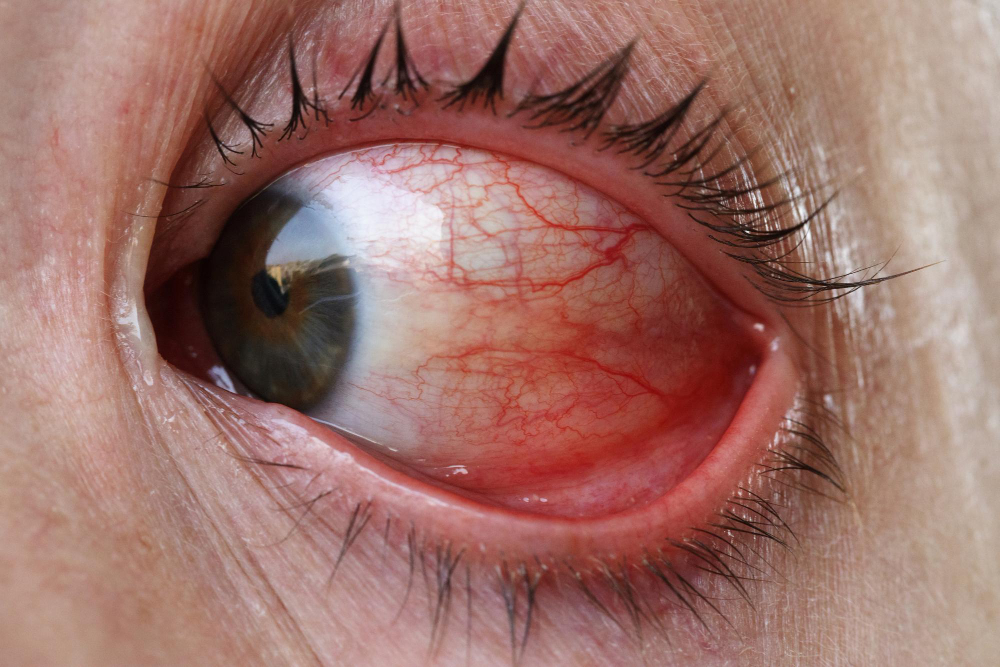
What is Retinitis Pigmentosa?
Retinitis pigmentosa is a group of rare eye diseases that cause vision changes over time. This condition affects the retina, which is the light-sensitive layer at the back of your eye. Because the retina helps you see, any damage can lead to problems with vision. For many people, retinitis pigmentosa symptoms appear slowly. However, the changes can become more noticeable as time goes on.
Although anyone can develop this condition, it often runs in families. Early diagnosis and proper eye care for retinitis pigmentosa can help you manage symptoms and protect your vision.
Common Symptoms of Retinitis Pigmentosa
Most people notice vision changes in retinitis pigmentosa during childhood or young adulthood. Yet, symptoms can appear at any age. Some signs may be mild at first, but they usually get worse over time. For example, you might notice trouble seeing at night or in dim light. Eventually, your side vision may also get worse.
As symptoms progress, daily tasks like reading or driving may become harder. Still, regular eye exams can help track these changes.
Causes and Risk Factors
Retinitis pigmentosa is mainly caused by changes in certain genes. These genes help your retina work properly. When they do not work as they should, the retina slowly breaks down. As a result, vision problems develop. Most cases are inherited, which means they are passed down from parents to children.
However, some people develop retinitis pigmentosa without a family history. Other risk factors include:
Because genes are involved, genetic counseling can help you understand your risk.
How Retinitis Pigmentosa is Diagnosed
Doctors use several tests to diagnose retinitis pigmentosa. First, they ask about your symptoms and family history. Next, they check your eyes with special tools. For example, they may use:
Because early symptoms can be mild, regular eye exams are important. Early diagnosis can help you plan for eye care for retinitis pigmentosa.
Treatment Options and Eye Care Strategies
Currently, there is no cure for retinitis pigmentosa. However, several treatments and strategies can help slow vision loss and protect your eyes. For instance, your doctor may suggest:
In some cases, new treatments like gene therapy or retinal implants may be available through clinical trials. Because research is ongoing, ask your eye doctor about the latest options.
Tips for Living with Retinitis Pigmentosa
Living with vision changes in retinitis pigmentosa can be challenging. Yet, many people find ways to adapt and stay independent. For example, you can:
Because everyone’s needs are different, talk with your eye care team about what works best for you.
Preventive Measures and Ongoing Research
Although you cannot always prevent retinitis pigmentosa, some steps may help protect your vision. For instance, wearing sunglasses outdoors can shield your eyes from harmful UV rays. Eating a healthy diet rich in fruits and vegetables may also support eye health.
Meanwhile, researchers continue to study new treatments. According to the National Eye Institute and peer-reviewed studies, gene therapy and stem cell research show promise. Because clinical trials are ongoing, new options may become available in the future.
Consult eye specialists at Esquare Eye and ENT Hospitals for eye care.