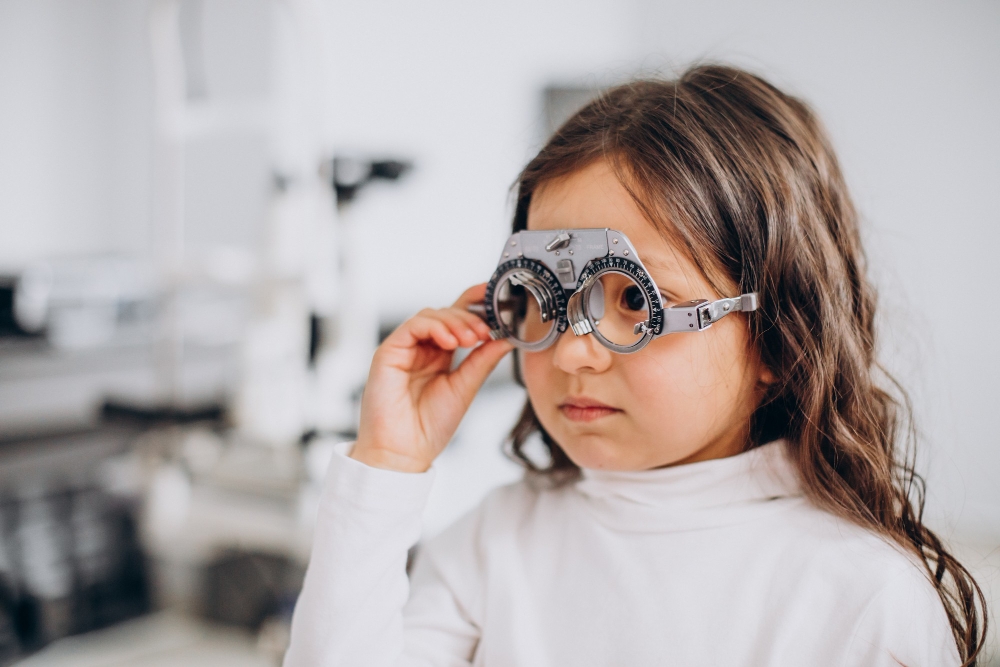
Amblyopia in children, often called “lazy eye,” is a common cause of vision problems. Early vision screening helps spot this condition before it leads to lasting vision loss. Because children’s eyes are still growing, early care can make a big difference. In many places, including local clinics, vision screening for kids is now a routine part of health checks. Understanding amblyopia and its risks can help parents protect their child’s eye health.
What Is Amblyopia in Children?
Amblyopia is when one or both eyes do not develop normal vision during childhood. As a result, the brain starts to favor one eye over the other. This can cause the weaker eye to get worse over time. For example, a child may rely mostly on one eye without even noticing. According to the CDC, amblyopia is the leading cause of vision loss in children. Early detection is key because treatment works best when started young.
Common Symptoms of Amblyopia
Sometimes, amblyopia in children does not show clear signs. However, parents and teachers can watch for these symptoms:
Even if symptoms are mild, regular eye exams can catch problems early. In many cases, children may not complain about their vision. Therefore, routine vision screening in schools or clinics is very important.
Causes and Risk Factors
There are several causes of amblyopia in children. Most cases happen because the eyes do not work together as they should. Common causes and risk factors include:
Because some risk factors are not obvious, regular vision screening for children is recommended by experts like the American Academy of Ophthalmology.
How Amblyopia Is Diagnosed
Eye doctors use several tests to check for amblyopia in children. First, they may use a simple vision chart to see how well each eye works. Next, they might use special tools to look inside the eyes. Sometimes, drops are used to help the doctor see the back of the eye more clearly. In many cities, vision screening programs help find children who need a full eye exam. Early diagnosis helps prevent long-term vision loss.
Treatment Options for Amblyopia
Treating amblyopia in children works best when started early. The main goal is to make the weaker eye stronger. Common treatments include:
Doctors may suggest a mix of these treatments based on the child’s needs. With early care, most children see big improvements. According to the World Health Organization, early treatment can prevent most cases of permanent vision loss.
Why Early Vision Screening Matters
Early vision screening in children is vital for healthy eyes. Because amblyopia often starts without clear signs, many children do not know they have a problem. However, routine screening can catch issues before they become serious. In many regions, schools and clinics offer vision screening as part of regular health checks. Early detection means treatment can start sooner, giving children the best chance for normal vision. The CDC and WHO both recommend regular vision checks for all children.
Prevention and Home Care Tips
Parents can help prevent amblyopia and support their child’s eye health at home. Here are some simple tips:
Because early action makes a big difference, do not wait if you notice any changes in your child’s vision. For families in urban or rural areas, local clinics often provide free or low-cost vision screening for children.