
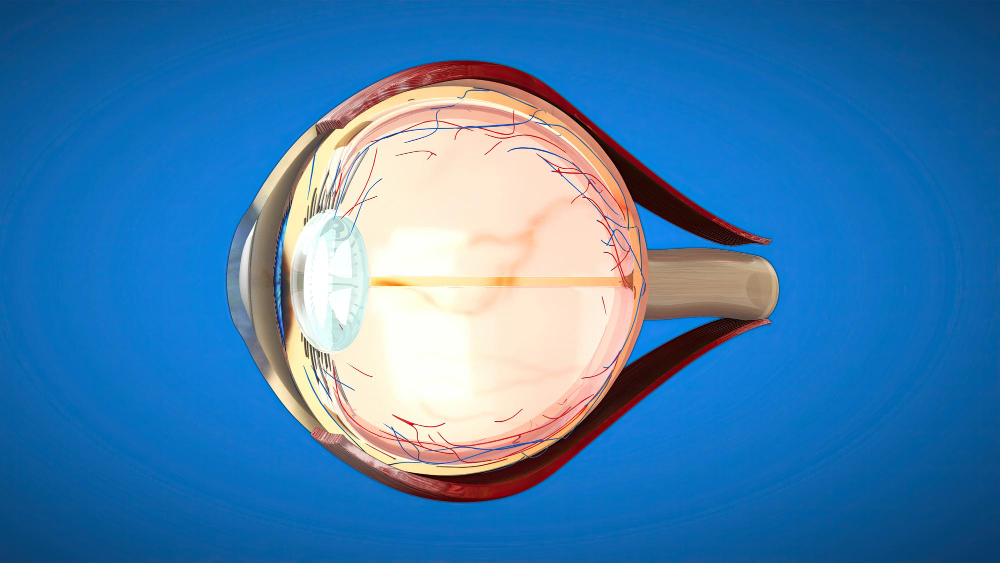
What Is Macular Edema?
Macular edema is a swelling in the center of the retina, called the macula. The macula helps you see fine details, so any swelling can blur your vision. Because macular edema can lead to vision loss, early treatment is very important. According to the American Academy of Ophthalmology, this condition often affects adults but can happen at any age.
For many people, macular edema develops slowly. However, some may notice changes quickly. Since the macula is key for sharp vision, any swelling can make daily tasks harder.
Common Symptoms of Macular Edema
Sometimes, symptoms start mild. Yet, they can become worse over time. Watch for these signs:
Because these symptoms can be subtle at first, regular eye exams are important. Early detection helps prevent serious vision loss.
Causes and Risk Factors
Many things can cause macular edema. For example, diabetes is a leading cause, especially if blood sugar is not well controlled. Other causes include:
Some people have higher risk. For instance, those with diabetes, high blood pressure, or a family history of eye disease should be extra careful. Smoking and poor overall health can also raise your risk.
How Macular Edema Is Diagnosed
Doctors use several tests to find macular edema. First, they check your vision and look at your eyes with special lights. Next, they may use imaging tools, such as:
Because early changes can be hard to see, these tests help doctors spot problems before vision gets worse. The Centers for Disease Control and Prevention (CDC) recommends regular eye exams, especially for people with diabetes.
Treatment Options for Macular Edema
Doctors choose treatment based on the cause. For many, eye drops or injections can help reduce swelling. Sometimes, laser therapy may be used. Common treatments include:
Because each person is different, your doctor will suggest the best plan for you. Early treatment often leads to better results.
Why Early Treatment Is Crucial
Early treatment for macular edema can protect your vision. When swelling is caught early, it is easier to control. As a result, you have a better chance of keeping your eyesight. Delaying care can lead to lasting vision loss. The World Health Organization (WHO) notes that regular eye checks and quick action are key to preventing blindness.
For example, people who start treatment soon after symptoms appear often see more improvement. Because vision loss from macular edema can be permanent, acting early is very important.
Tips for Protecting Your Eye Health
While not all cases can be prevented, you can lower your risk. Try these tips to keep your eyes healthy:
Because early action makes a big difference, staying informed and proactive helps protect your sight for years to come. Consult at Esquare Eye and ENT Hospitals.