What Are Nosebleeds?
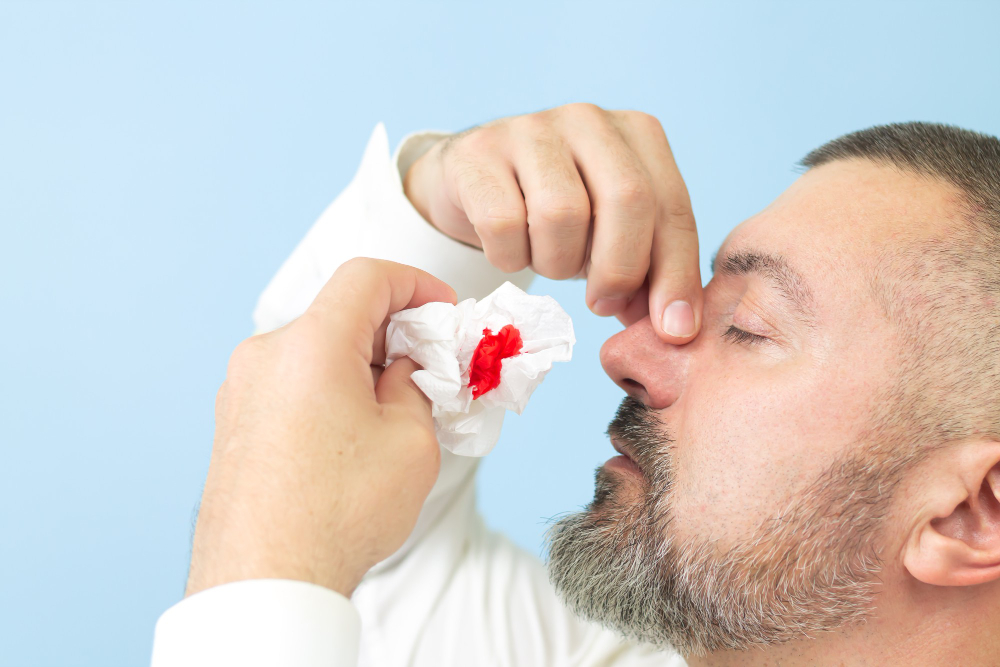
Nosebleeds happen when blood flows from one or both nostrils. Most nosebleeds are not serious. They often stop on their own. However, nosebleeds can sometimes be a sign of a bigger health issue. Because the nose has many small blood vessels, it can bleed easily. Nosebleeds are common in both children and adults. But, knowing when to worry about nosebleeds is important for your health.
Common Causes of Nosebleeds
There are many nosebleeds causes. Most are harmless. Still, some need attention. Here are common reasons people get nosebleeds:
Sometimes, nosebleeds happen for no clear reason. But, if they happen often, it may be time to look deeper.
Symptoms and Warning Signs of Serious Nosebleeds
Most nosebleeds are mild. Yet, some symptoms mean you should take them seriously. For example, if you have any of these signs, you may need medical help:
In addition, if you have a known bleeding disorder, take nosebleeds seriously.
When to Seek Medical Attention for a Nosebleed
Sometimes, nosebleeds need a doctor’s care. You should seek help if:
Also, children under two years old with nosebleeds should see a doctor. If you take blood thinners or have a bleeding disorder, call your doctor right away.
Diagnosis and Possible Underlying Conditions
Doctors may ask about your health history and recent injuries. They may also check your blood pressure and look inside your nose. Sometimes, blood tests are needed. These tests help find out if you have a bleeding disorder or other health problem. For example, high blood pressure or blood clotting issues can cause frequent nosebleeds. Rarely, growths or tumors in the nose may be the cause. Early diagnosis helps prevent serious problems.
Treatment Options for Severe or Recurrent Nosebleeds
Most nosebleeds stop with simple steps. However, severe or frequent nosebleeds may need medical care. Treatment options include:
In rare cases, surgery may be needed. Always follow your doctor’s instructions for care.
Prevention Tips and Lifestyle Guidance
There are ways to lower your risk of nosebleeds. Try these tips:
Also, if you take blood thinners, talk to your doctor about safe use. Good habits can help prevent nosebleeds from starting.
Conclusion
Nosebleeds are common and often not serious. Still, some nosebleeds can signal a bigger problem. If you experience frequent or severe nosebleeds, consult at Esquare Eye and ENT Hospitals for personalized advice.