Introduction
Many people wonder why regular eye exams are crucial for your health. These exams do more than check your vision. In fact, the benefits of routine eye checkups include preventing vision problems and spotting health issues early. Eye health screening can help you keep your eyes and body healthy. For example, regular visits to an eye doctor can catch problems before they get worse. Because your eyes are windows to your health, it is wise to make eye exams a habit.
What Are Regular Eye Exams?
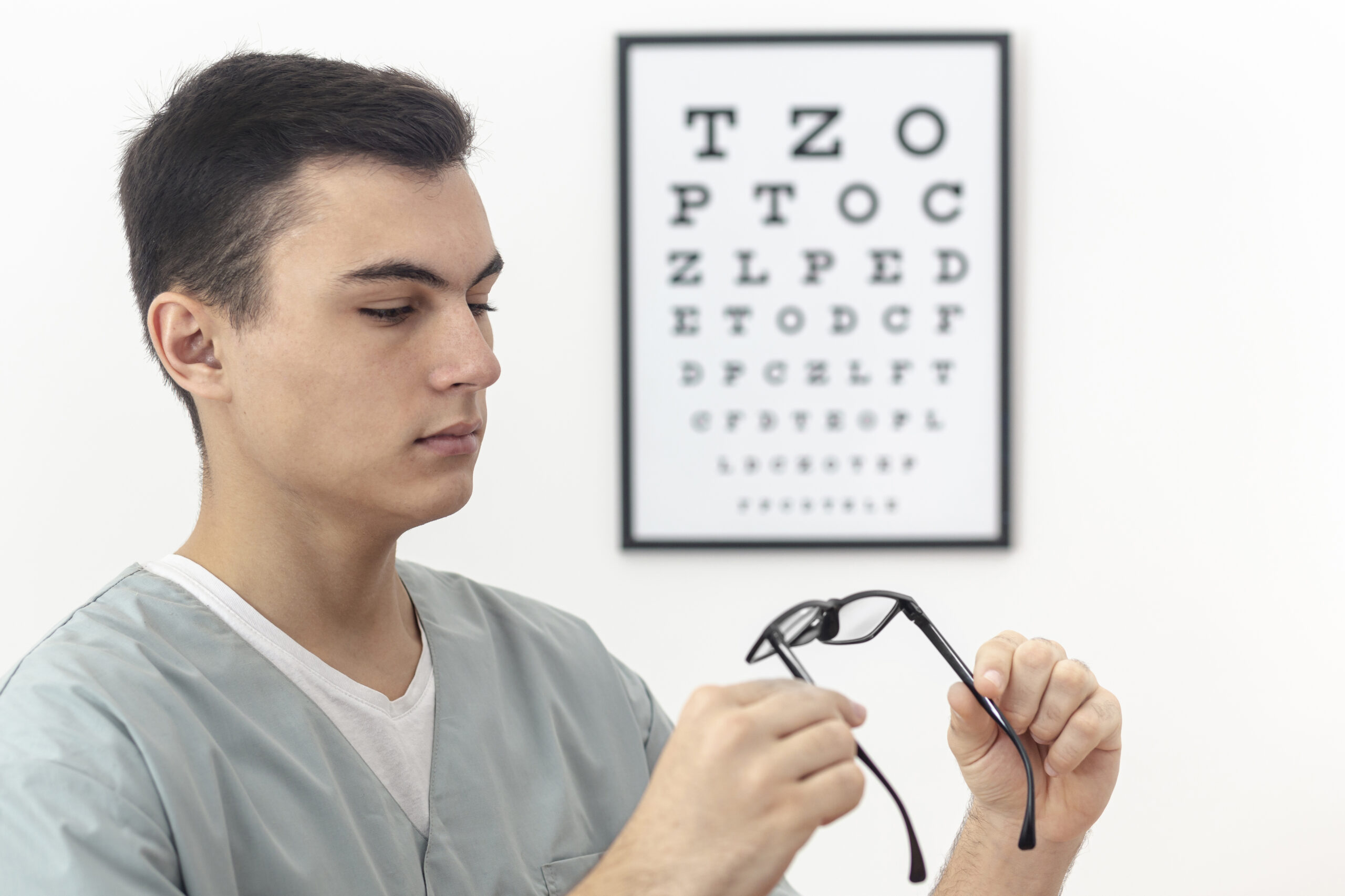
Regular eye exams are checkups done by an eye doctor. During these visits, your doctor checks your vision and looks for signs of eye disease. Usually, these exams include simple tests. For instance, you may read letters on a chart or look at bright lights. Sometimes, the doctor uses special drops to see inside your eyes. Above all, these exams help keep your eyes healthy. Even if you see well, regular eye exams are important for everyone.
Key Benefits of Regular Eye Exams
There are many reasons to get your eyes checked often. Not only do these exams protect your vision, but they also help find problems early. Here are some main benefits:
Because of these benefits, regular eye exams are a smart choice for everyone.
Common Eye Conditions Detected Early
Eye exams can find many problems early. For example, some common conditions include:
Because these issues often start without symptoms, routine eye health screening is vital.
How Eye Exams Impact Overall Health
Many people do not realize that eye exams can reveal more than just eye problems. For instance, doctors can spot signs of diabetes, high blood pressure, or even some cancers during an eye exam. In addition, some autoimmune diseases show up in the eyes first. Therefore, regular eye exams can help you catch health problems early. According to the CDC, early detection leads to better outcomes for many diseases. So, eye exams are important for your whole body, not just your eyes.
What to Expect During an Eye Exam
Knowing what happens during an eye exam can help you feel at ease. Usually, the process is simple and painless. Here is what you can expect:
Because each person is different, your doctor may do more tests if needed.
How Often Should You Get an Eye Exam?
How often you need an eye exam depends on your age and health. However, experts like the American Academy of Ophthalmology suggest:
Because your needs may change, always ask your eye doctor how often you should come in.
Tips for Maintaining Eye Health
Besides regular eye exams, there are simple steps you can take to protect your vision. For example:
Because small changes can make a big difference, try to follow these tips every day.
Conclusion
In summary, regular eye exams are crucial for your health. They help prevent vision problems, detect diseases early, and keep your whole body healthy. Do not wait for symptoms to appear. Schedule a comprehensive eye exam withEsquare Eye and ENT Hospitals to protect your vision and overall health.