What Are Sudden Vision Changes?
Sudden vision changes happen when your eyesight shifts quickly. This can mean blurry vision, loss of sight, or seeing flashes of light. Often, these changes come without warning. Because your eyes are sensitive, any quick change can signal a serious problem. For this reason, sudden vision changes are always urgent. If you notice any of these signs, you should seek emergency eye care right away. Acting fast can help protect your vision and prevent lasting damage.
Common Symptoms to Watch For
It is important to know the warning signs. Early action can make a big difference. Watch for these symptoms:
Sometimes, these symptoms may come with headaches or dizziness. If you notice any of these, seek urgent eye care. Even if the symptoms go away, you should still see an eye doctor.
Possible Causes of Sudden Vision Changes
There are many reasons why your vision might change quickly. Some causes are mild, but others are serious. For example, sudden vision loss can be a sign of:
Because some of these causes can lead to permanent vision loss, quick action is key. According to the American Academy of Ophthalmology, many eye emergencies need treatment within hours.
Why Immediate Medical Attention Matters
Quick treatment can save your sight. For instance, if you have a retinal detachment, doctors can often repair it if you act fast. However, waiting too long may cause permanent blindness. In addition, some sudden vision changes can signal other health problems, like a stroke. Early care can help prevent serious complications. Therefore, never ignore sudden changes in your vision.
Diagnosis: What to Expect at the Eye Doctor
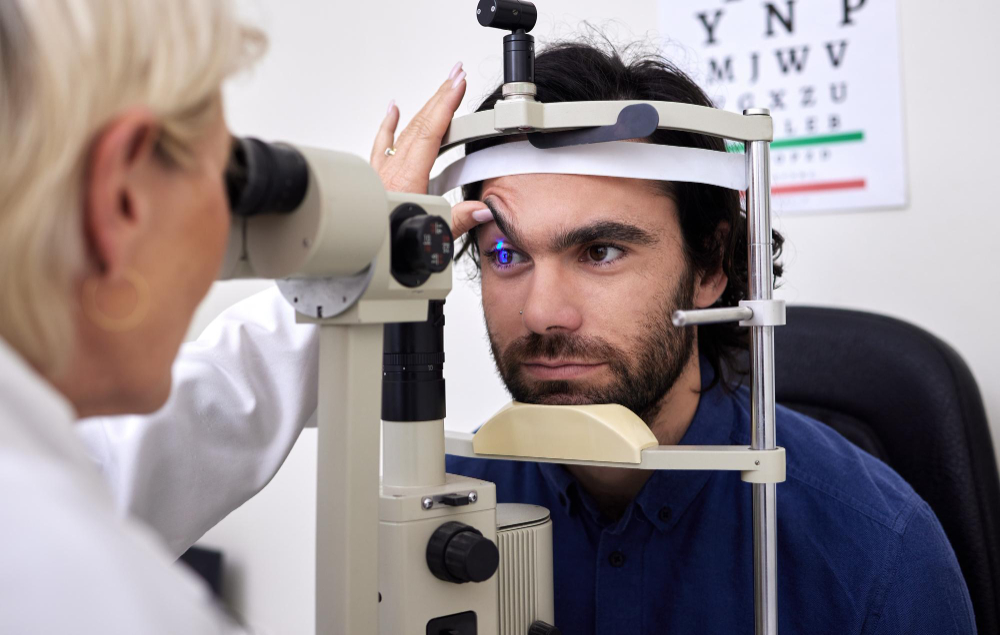
When you visit an eye specialist for sudden vision changes, they will act quickly. First, they will ask about your symptoms and medical history. Next, they will check your vision and examine your eyes. Often, they use special lights and drops to look inside your eye. Sometimes, they may order tests like:
Because time is important, your doctor will explain the next steps right away. This helps ensure you get the right treatment as soon as possible.
Treatment Options and Next Steps
Treatment depends on the cause of your vision change. For example, if you have a retinal detachment, you may need surgery. If you have an eye infection, you might need medicine. Sometimes, doctors use laser treatments or special eye drops. In every case, early treatment gives you the best chance to save your vision. After treatment, your doctor will guide you on how to care for your eyes at home.
Prevention and Eye Health Tips
While not all sudden vision changes can be prevented, you can lower your risk. Here are some helpful tips:
Additionally, always act quickly if you notice any changes in your vision. Early action can make all the difference.
If you experience sudden vision changes, consult an eye specialist at Esquare Eye and ENT Hospitals immediately for personalized care.