What Is Allergic Conjunctivitis in Children?
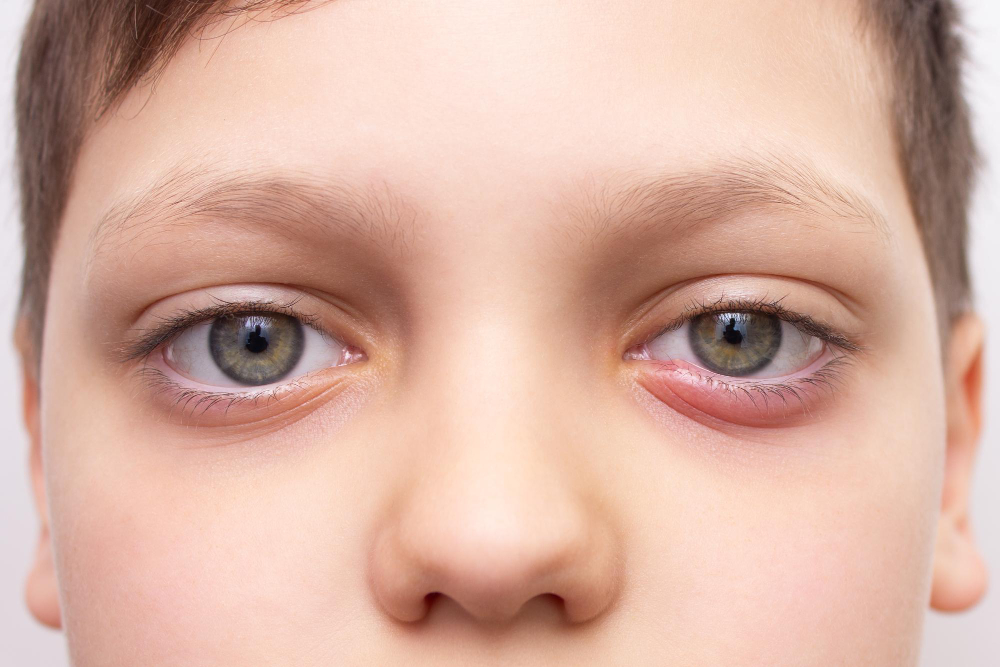
Allergic conjunctivitis in children is a common eye problem. It happens when a child’s eyes react to allergens, such as pollen or dust. The clear tissue covering the white part of the eye and inside the eyelids becomes inflamed. While many people think it is just about itchy eyes, it can cause more issues. For example, it may lead to red eyes in kids, swelling, and even trouble seeing clearly. Because child eye allergies can affect daily life, early care is important.
Common Symptoms
Children with allergic conjunctivitis often show several signs. However, symptoms can vary from mild to severe. Watch for these common symptoms:
Sometimes, children may also complain about blurred vision. Because these symptoms can look like other eye problems, it is important to get the right diagnosis.
Causes and Risk Factors
Allergic conjunctivitis in children happens when the immune system reacts to harmless things. These things are called allergens. Common causes include:
Some children are more likely to get eye allergies. For instance, kids with a family history of allergies, asthma, or eczema have a higher risk. Also, living in areas with high pollen or pollution can increase the chances.
How Is It Diagnosed?
Doctors use several steps to diagnose allergic conjunctivitis in children. First, they ask about symptoms and family history. Next, they examine the eyes for redness, swelling, or discharge. Sometimes, they may use special tests to rule out infections. In rare cases, an allergy test may help find the exact trigger. Because other eye problems can look similar, a proper diagnosis is key for the right treatment.
Treatment Options
Treating allergic conjunctivitis in children focuses on easing symptoms and avoiding triggers. Common treatments include:
However, it is important to use only doctor-approved medicines. Over-the-counter drops may not be safe for all children. Always follow your pediatric eye care provider’s advice.
Home Care and Lifestyle Tips
Simple steps at home can help manage child eye allergies. For example, you can:
In addition, keeping pets out of bedrooms and cleaning floors often can reduce allergens. These steps may help prevent flare-ups and keep your child comfortable.
Prevention Strategies
While it is hard to avoid all allergens, some strategies can lower the risk. For instance:
Because prevention is easier than treatment, these habits can make a big difference in your child’s eye health.
When to See a Doctor
Sometimes, allergic conjunctivitis in children can become serious. You should see a doctor if:
Early medical care can help prevent complications and protect your child’s vision. According to the CDC and the American Academy of Ophthalmology, prompt evaluation and treatment are important in pediatric eye care.
In summary, allergic conjunctivitis in children is more than just itchy eyes. It can affect your child’s comfort and daily activities. If your child shows symptoms of allergic conjunctivitis, consult the eye care specialists at Esquare Eye and ENT Hospitals for timely evaluation and personalized treatment guidance.