What Is Glaucoma?
Glaucoma is an eye disease that damages the optic nerve. This nerve sends images from your eye to your brain. Often, glaucoma happens when fluid builds up in the front part of your eye. As a result, this extra fluid increases pressure inside the eye. Over time, this pressure can harm the optic nerve. Glaucoma is a leading cause of vision loss worldwide, according to the World Health Organization (WHO).
Why Is Glaucoma Called the Silent Vision Stealer?
Many people call glaucoma the “silent vision stealer.” This is because it often causes no pain or early symptoms. In most cases, vision loss happens slowly. By the time you notice changes, the damage may be severe. For this reason, regular eye checks are very important. Early detection can help prevent vision loss.
Who Is at Risk for Glaucoma?
Anyone can get glaucoma. However, some people have a higher risk. Knowing your risk can help you take action early. Risk factors include:
Even if you feel fine, you could still be at risk. Therefore, it is wise to get regular eye checks, especially if you have any of these risk factors.
Symptoms: Why You Might Not Notice Glaucoma
Most types of glaucoma have no early warning signs. For example, open-angle glaucoma, the most common type, develops slowly. You may not notice vision loss until it is advanced. Sometimes, people lose side vision first. However, this change is easy to miss. In rare cases, glaucoma can cause sudden eye pain, headache, or blurred vision. But usually, there are no symptoms until much damage has occurred. That is why glaucoma is so dangerous.
Importance of Regular Eye Checks
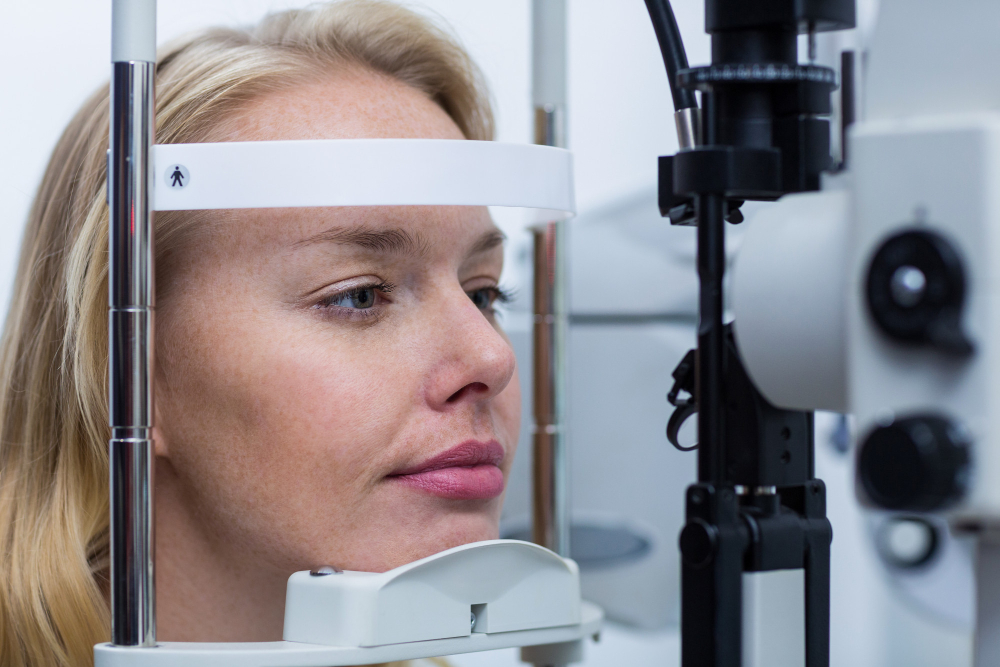
Because glaucoma can develop without symptoms, regular eye exams are key. During an eye check for glaucoma, your doctor can spot early signs of damage. Early detection means you can start treatment before vision loss occurs. The American Academy of Ophthalmology recommends eye exams every 1-2 years for adults over 40. If you are at higher risk, you may need checks more often. Local clinics in your city can provide these exams.
Diagnosis: How Glaucoma Is Detected
Doctors use several tests to diagnose glaucoma. These tests are quick and painless. Common tests include:
With these tests, doctors can find glaucoma early. If you have questions about glaucoma diagnosis, ask your eye doctor during your next visit.
Treatment Options for Glaucoma
While there is no cure for glaucoma, treatment can slow or stop vision loss. Treatment options include:
Your doctor will choose the best treatment for you. Starting treatment early can help save your sight.
Prevention and Lifestyle Tips
You cannot always prevent glaucoma. However, you can lower your risk and protect your vision by following these tips:
Additionally, eating a healthy diet and staying active can support eye health. Early action is the best way to prevent vision loss from glaucoma.
Conclusion: Protect Your Vision Today
Glaucoma is a silent threat that can steal your vision without warning. Even if you feel fine, you could be at risk. Therefore, schedule a comprehensive eye exam with a specialist at Esquare Eye and ENT Hospitals to protect your vision. Early detection and treatment can make all the difference.